

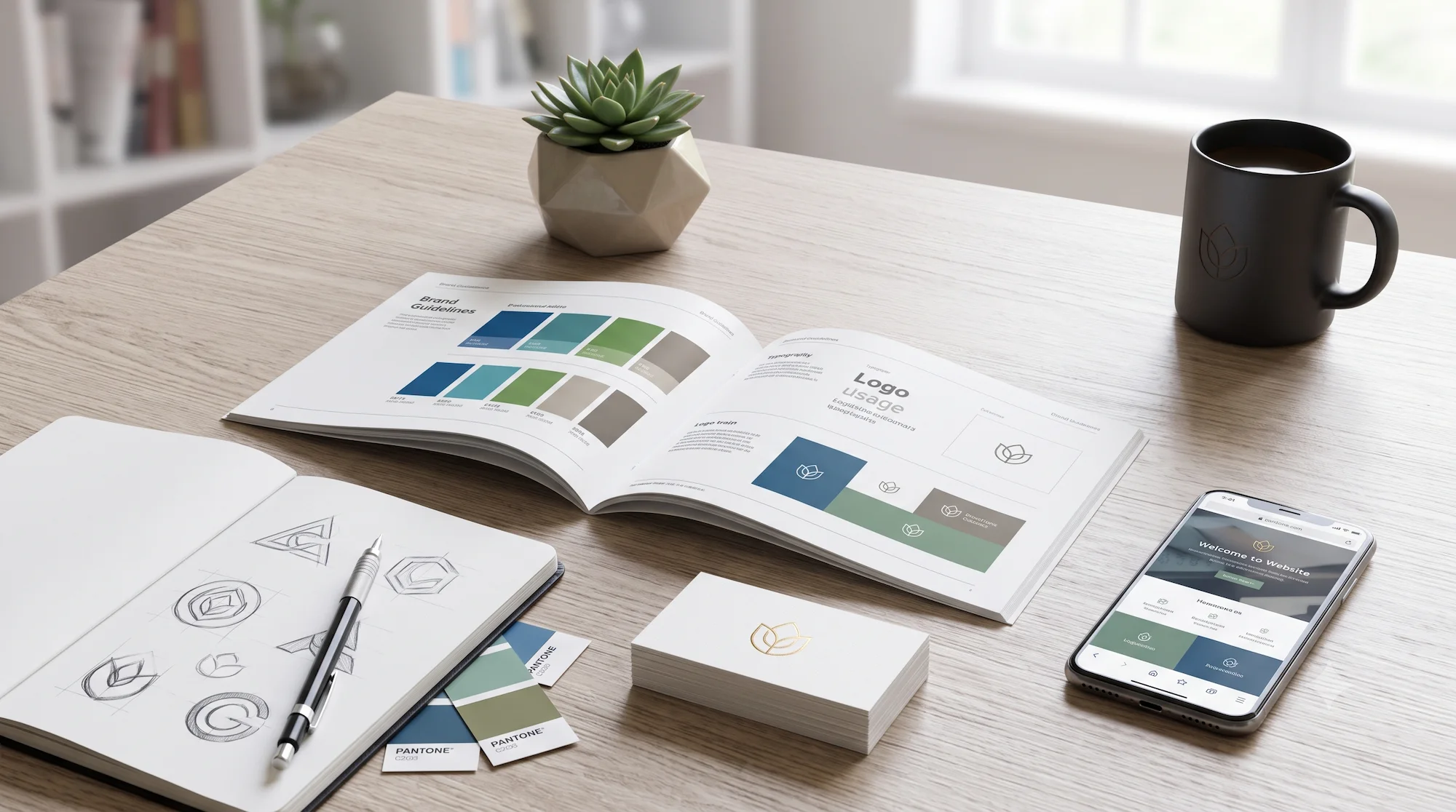
In today’s highly competitive marketplace, products and services alone are rarely enough to differentiate a business. Customers connect with brands that communicate clear values, maintain consistency, and deliver memorable experiences. This is why brand identity design has become one of the most important investments for modern organizations.
A strong brand identity does far more than create visual appeal. It shapes customer perceptions, builds trust, supports marketing efforts, and creates long-term business value. Whether you’re launching a startup, scaling an established company, or repositioning your organization, strategic business branding provides a foundation for sustainable growth.
What Is Brand Identity Design?
Brand identity design refers to the collection of visual and strategic elements that define how a business presents itself to the world.
It includes:
- Logo design
- Typography systems
- Color palettes
- Brand messaging
- Visual guidelines
- Graphic elements
- Photography styles
- Digital assets
- Brand voice and personality
Together, these components create a unified experience across websites, social media, marketing campaigns, packaging, and customer interactions.
Professional branding services focus on ensuring that every touchpoint communicates a consistent and recognizable message.
Why Branding Matters More Than Ever
Consumers have more choices than ever before. In crowded industries, strong branding often becomes the deciding factor between one company and another.
People don’t simply buy products—they buy experiences, trust, and emotional connections.
Effective brand identity design helps businesses:
- Build credibility.
- Increase customer loyalty.
- Differentiate from competitors.
- Support premium pricing.
- Improve brand recognition.
- Create memorable customer experiences.
Without a clear brand strategy, even exceptional products can struggle to gain attention and market share.
First Impressions Define Brand Perception
Research consistently shows that customers form opinions about businesses within seconds.
Visual identity design plays a critical role in these first impressions. Elements such as logos, typography, colors, imagery, and website aesthetics immediately communicate professionalism and reliability.
A polished brand identity sends a powerful message:
This company is trustworthy, organized, and committed to quality.
Conversely, inconsistent visuals and outdated branding can reduce confidence and negatively impact customer decisions.
Investing in professional brand design creates positive perceptions from the very first interaction.
The Essential Elements of Strong Brand Identity Design
Successful business branding requires more than a beautiful logo. It involves creating a complete ecosystem that supports every aspect of communication.
Logo Design
Your logo is often the most recognizable representation of your business.
Effective logos are:
- Memorable
- Scalable
- Timeless
- Versatile
- Relevant to the brand’s values
Professional logo design establishes a visual anchor that customers associate with products and services over time.
Typography Systems
Fonts communicate personality.
A modern technology company may choose clean, minimal typography, while luxury brands often favor elegant serif styles.
Consistent typography improves readability and strengthens recognition across digital and print materials.
Color Psychology
Colors influence emotions and purchasing behavior.
For example:
- Blue often represents trust and reliability.
- Green suggests growth and sustainability.
- Black conveys sophistication and authority.
- Purple communicates creativity and innovation.
Strategic visual identity design considers these psychological factors to reinforce brand messaging.
Brand Voice and Messaging
Visual design alone cannot build a complete identity.
Businesses need consistent messaging that reflects their personality and values.
Whether formal, approachable, innovative, or playful, brand voice should remain consistent across every communication channel.
Building Trust Through Consistent Branding
Brand consistency is one of the strongest indicators of professionalism.
Customers encounter brands through multiple touchpoints:
- Websites
- Social media platforms
- Email campaigns
- Presentations
- Packaging
- Advertisements
- Customer support interactions
When every experience feels connected, trust naturally develops.
Consistent business branding helps customers recognize and remember companies more easily.
This familiarity increases confidence and encourages repeat business.
Organizations that maintain strong brand guidelines often outperform competitors with fragmented identities.
Brand Identity and Customer Loyalty
People form emotional relationships with brands that align with their values and aspirations.
Strong branding creates these connections by communicating authenticity and purpose.
Customers remain loyal to brands they trust because they know what to expect.
A recognizable visual identity supports:
- Higher retention rates.
- Increased referrals.
- Stronger community engagement.
- Greater advocacy.
Brand identity design is therefore not merely an aesthetic exercise—it is a strategic investment in customer relationships.
How Professional Branding Supports Business Growth
Growing businesses face numerous challenges, including increased competition and changing customer expectations.
Professional branding services provide several advantages.
Market Differentiation
Distinct visual identities help companies stand out in saturated markets.
Instead of competing solely on price, businesses can compete on perception, trust, and experience.
Premium Positioning
Strong brands often command higher prices because customers associate them with greater value.
Professional presentation influences purchasing decisions significantly.
Improved Marketing Performance
Consistent branding increases the effectiveness of marketing campaigns.
When audiences instantly recognize a company, advertisements become more memorable and impactful.
Stronger Internal Culture
Brand identity also influences employees.
Clear values and visual systems create alignment and reinforce organizational culture.
Employees who believe in a brand’s mission often become powerful advocates.
Common Branding Mistakes Businesses Should Avoid
Many companies unintentionally weaken their identities through inconsistent decisions.
Avoiding these mistakes is essential.
Frequent Logo Changes
Constant redesigns confuse customers and reduce recognition.
Brands should evolve thoughtfully while preserving core identity elements.
Inconsistent Visual Assets
Different colors, fonts, and messaging across platforms create fragmented experiences.
Brand guidelines help maintain consistency.
Following Short-Term Trends
Trendy designs may quickly become outdated.
Timeless visual identity design supports long-term growth.
Ignoring Customer Perception
Branding should reflect audience expectations rather than internal preferences alone.
Research and feedback play important roles in shaping successful identities.
Lack of Strategic Direction
Design without strategy often fails to communicate meaningful value.
Strong branding begins with clear objectives and positioning.
The Relationship Between Branding and Digital Presence
In today’s digital environment, websites and online platforms serve as primary brand touchpoints.
A cohesive digital experience strengthens recognition and trust.
Your website should align with:
- Brand colors.
- Typography systems.
- Messaging frameworks.
- Visual styles.
- Photography guidelines.
- User experience principles.
When branding and digital design work together, businesses create seamless customer journeys.
Professional brand design agencies often collaborate closely with web designers and developers to maintain consistency throughout every interaction.
Brand Identity Design and Competitive Advantage
Competition continues to intensify across virtually every industry.
Products can be copied.
Features can be replicated.
Pricing strategies can change.
Brand identity, however, creates unique emotional connections that competitors struggle to duplicate.
Customers remember experiences more than products.
Strong brands establish:
- Authority.
- Credibility.
- Recognition.
- Trust.
- Loyalty.
These assets contribute directly to long-term business resilience and growth.
Future Trends in Brand Design
The branding landscape continues to evolve alongside technology and consumer expectations.
Several trends are shaping modern brand identity design.
Authentic Storytelling
Consumers increasingly value transparency and purpose-driven organizations.
Authentic narratives strengthen emotional connections.
Flexible Visual Systems
Modern brands require adaptable identities that perform across digital platforms, social media, and emerging technologies.
Motion Branding
Animated logos and dynamic visual elements enhance digital experiences.
Minimalist Design
Simplicity remains a powerful approach to communication and recognition.
Community-Centered Branding
Successful brands focus on building relationships rather than simply promoting products.
Understanding these trends helps businesses remain relevant in changing markets.
Why Investing in Professional Branding Services Matters
Creating a strong brand requires expertise that extends beyond graphic design.
Professional branding services include:
- Market research.
- Brand strategy development.
- Positioning frameworks.
- Visual identity design.
- Logo creation.
- Messaging systems.
- Brand guidelines.
This strategic process ensures that every element works together to support business goals.
Rather than relying on isolated design decisions, organizations benefit from cohesive systems that scale with growth.
Investing in professional support often produces stronger recognition, improved marketing performance, and increased customer trust.
Final Thoughts
Brand identity design is one of the most valuable assets a business can develop.
It influences how customers perceive companies, interact with products, and build long-term relationships.
Strong business branding combines strategy, creativity, and consistency to create memorable experiences that stand apart from competitors.
From logo design and typography to messaging and digital experiences, every element contributes to a larger story.
Businesses that invest in professional branding establish stronger foundations for sustainable growth, customer loyalty, and market leadership.
At Syfer Studio, we believe that exceptional brands are built through thoughtful strategy, purposeful design, and meaningful connections. By aligning visual identity with business objectives, organizations can create lasting impressions that inspire trust and drive success.
Frequently Asked Questions
What is brand identity design?
Brand identity design encompasses the visual and strategic elements that define how a company presents itself, including logos, colors, typography, messaging, and brand guidelines.
Why is branding important for small businesses?
Strong branding helps small businesses build trust, differentiate themselves from competitors, and create memorable customer experiences.
How often should a company rebrand?
Rebranding should occur only when necessary, such as significant market changes, business evolution, or outdated positioning. Frequent changes can reduce recognition and trust.
What is the difference between a logo and a brand identity?
A logo is one component of a larger brand identity system that includes visual styles, messaging, personality, and customer experiences.
How do branding services support business growth?
Professional branding services improve recognition, strengthen marketing effectiveness, support customer loyalty, and create long-term competitive advantages.